What AI actually does to the people using it
Not what it does to headcount. What it does to the working day of someone who uses it, measured by an organisation with no product to sell.
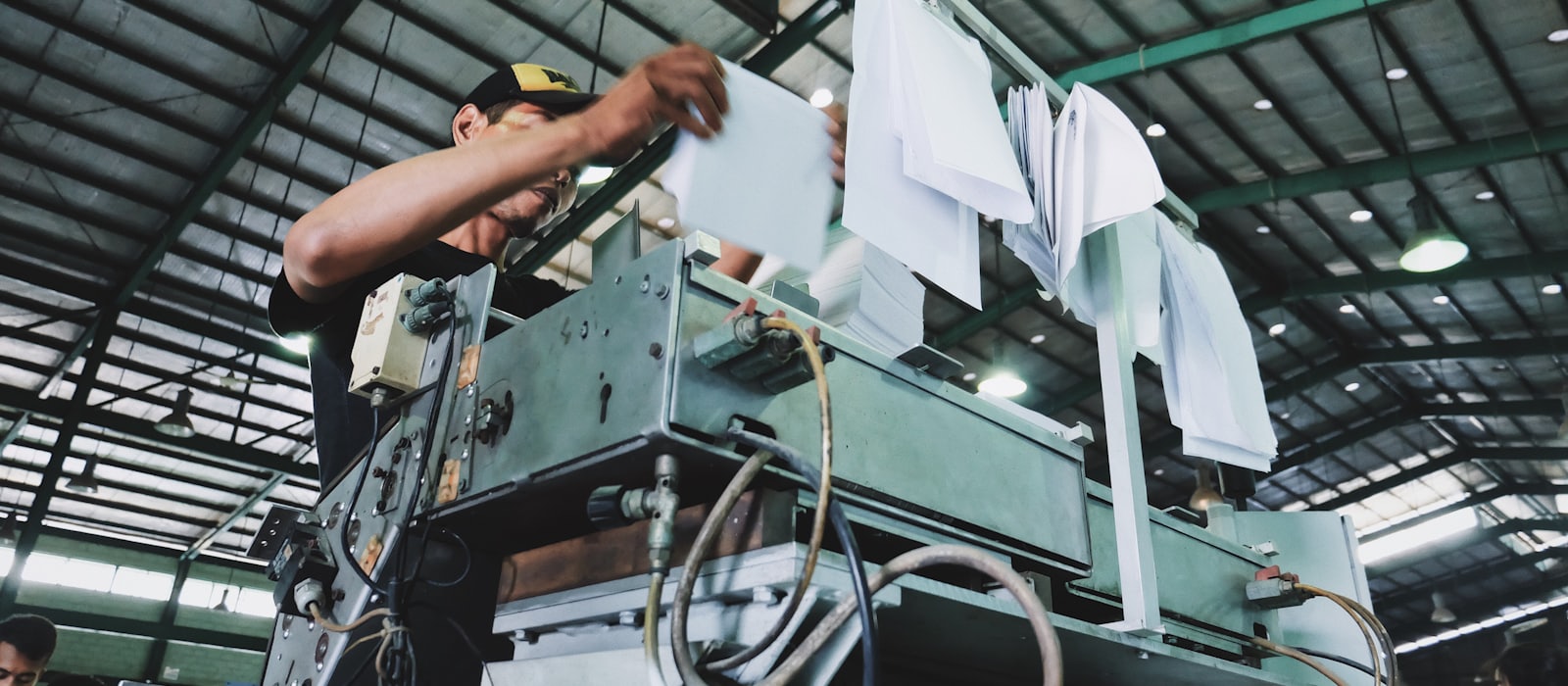
Every conversation about AI at work runs immediately to job losses, and stays there. It is the most interesting question and the least answerable one, and while everybody argues about it a much more tractable question goes unasked: what happens to the working day of a person who actually uses this stuff?
That has been measured. The OECD surveyed 5,334 workers across 2,053 firms in manufacturing and finance in seven countries, and asked the people using AI what it had done to their performance, their enjoyment of the job, their health and how fairly they felt they were treated. It is the best dataset on this that exists, it was published by an organisation with nothing to sell, and almost nobody quotes it.
The headline, which is not the one you expect
That is the finding. Not a small positive, not a mixed picture: a four to one ratio in favour, across job satisfaction, physical health, mental health and fairness in management, from the people doing the work.
The individual numbers are as strong. Eight in ten said AI had improved their own performance, in both sectors, against eight per cent who said it made it worse.
The part that matters more than performance
Performance improving is unsurprising. What is genuinely surprising is what the same people said about how the work feels.
Read that second one twice. Roughly two thirds of manufacturing workers using AI said it had improved their physical health and safety. That is a different kind of measure from a productivity figure, and it is the one the OECD reports for manufacturing where it reports enjoyment and mental health for finance.
The people who use it are not frightened of it. They are frustrated that it has not gone further.
The counter-evidence, which belongs here too
A page that published only the good half would be doing what vendor research does. The same survey found real costs, and they cluster in one place: control.
Managed by AI is the operative phrase. Using a tool improves the day; being directed by one takes something away. That is not a subtle distinction and it is the entire design question in any system we build: does the person operate it, or does it operate them?
On job security, the fear is real and smaller than the coverage implies.
Roughly half of workers in both sectors are not worried at all. One in five is very worried. Both of those are true at once, and any account of this that reports only one of them is selling something.
The two things that changed the outcome
The most useful part of the survey is not the averages. It is what separated the workers who reported good outcomes from the ones who did not, because both of those things are decisions a business makes rather than facts it inherits.
- Training. Workers who had received training reported materially better outcomes than those who had not, and were more likely to say AI had improved their working conditions. Employers overwhelmingly address skill gaps by retraining the people they already have rather than by hiring: 64% in finance and 71% in manufacturing.
- Consultation. Just under half of employers who adopted AI consulted workers or their representatives beforehand. Those that did were more likely to report positive effects on both productivity and working conditions, and in manufacturing were less likely to report AI decreasing overall employment.
Neither of those is a technology decision. They are the two cheapest interventions available in any rollout and they are the two most reliably skipped, because they slow the launch down by a fortnight and nobody is measured on them.
What this changes about how we build
Three things, and they come straight out of the data above rather than out of a philosophy.
- Put the machine on the part of the job that is unpleasant or unsafe, not on the part that is visible. The physical health finding is the strongest single result in the survey and it comes from exactly that choice.
- Never let the system direct the person. A tool a person operates improves their day. A system that assigns and paces their work takes control away from a third of the people subject to it.
- Budget for the training and the consultation before the build, not after it. They are what separates a good outcome from a bad one, and they are the first things cut when a timeline slips.
None of that is expensive. All of it is skippable, which is why it usually gets skipped.